
The Science Behind SkinTE® Regenerative Multicellular Therapy
SkinTE® (autologous cutaneous multicellular units, ACMU) is an investigational multicellular biologic prepared from the patient’s own skin. SkinTE is designed to leverage the body’s innate capacity to regenerate skin. By utilizing the full cellular and extracellular matrix composition of native skin, SkinTE is intended to provide the essential biological components needed to initiate, stabilize, and support the wound healing process in chronic wounds such as diabetic foot ulcers.
The mechanism of action is proposed only and is pending review by the FDA. SkinTE has not been approved by the FDA. Its safety and effectiveness have not been established. The images and text below are representative of the proposed mechanism of action.
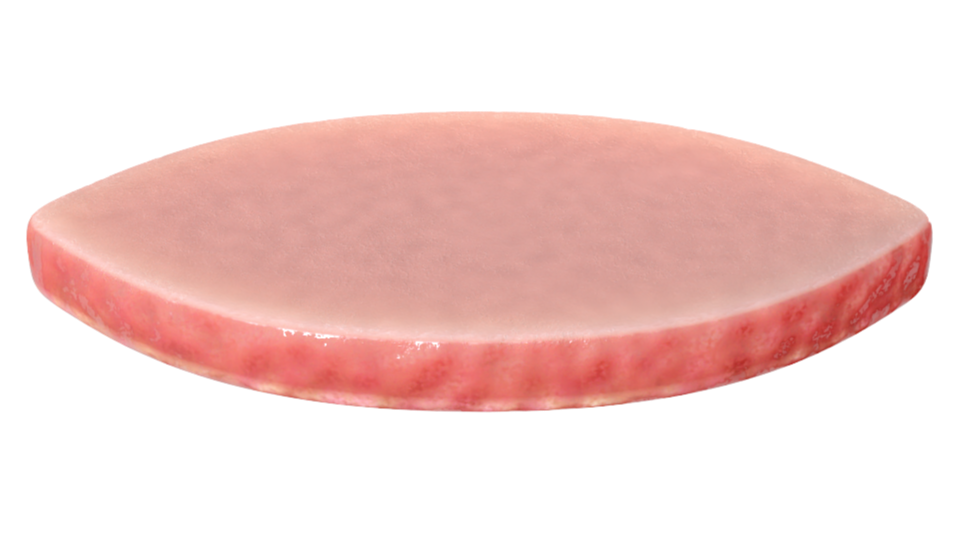

Harvest
A small, full-thickness skin sample is harvested under local anesthesia.
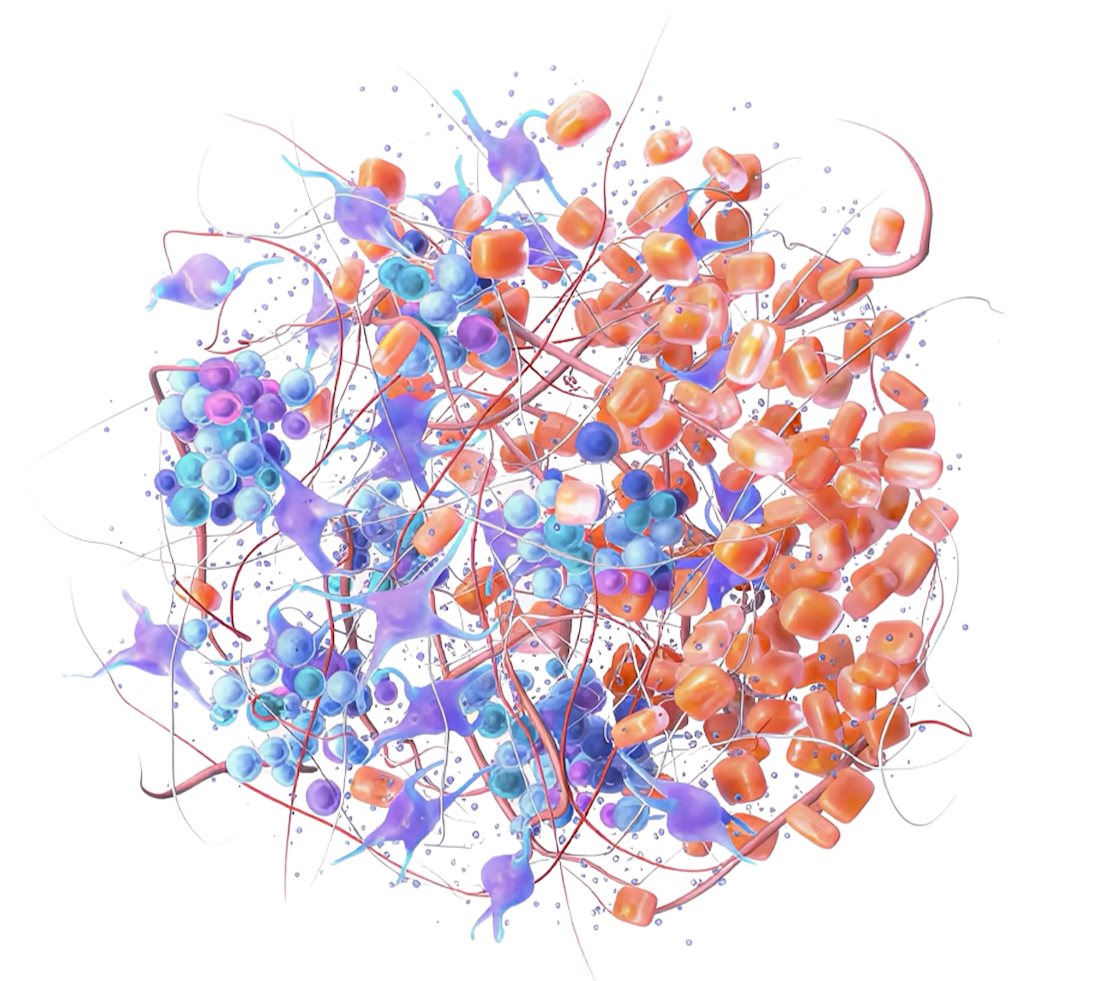

SkinTE® (ACMU)
The skin is processed into 1 to 2 mm organoid-like units containing the patient’s own epidermal, dermal, adnexal, and hypodermal cells. The cells are not cultured.
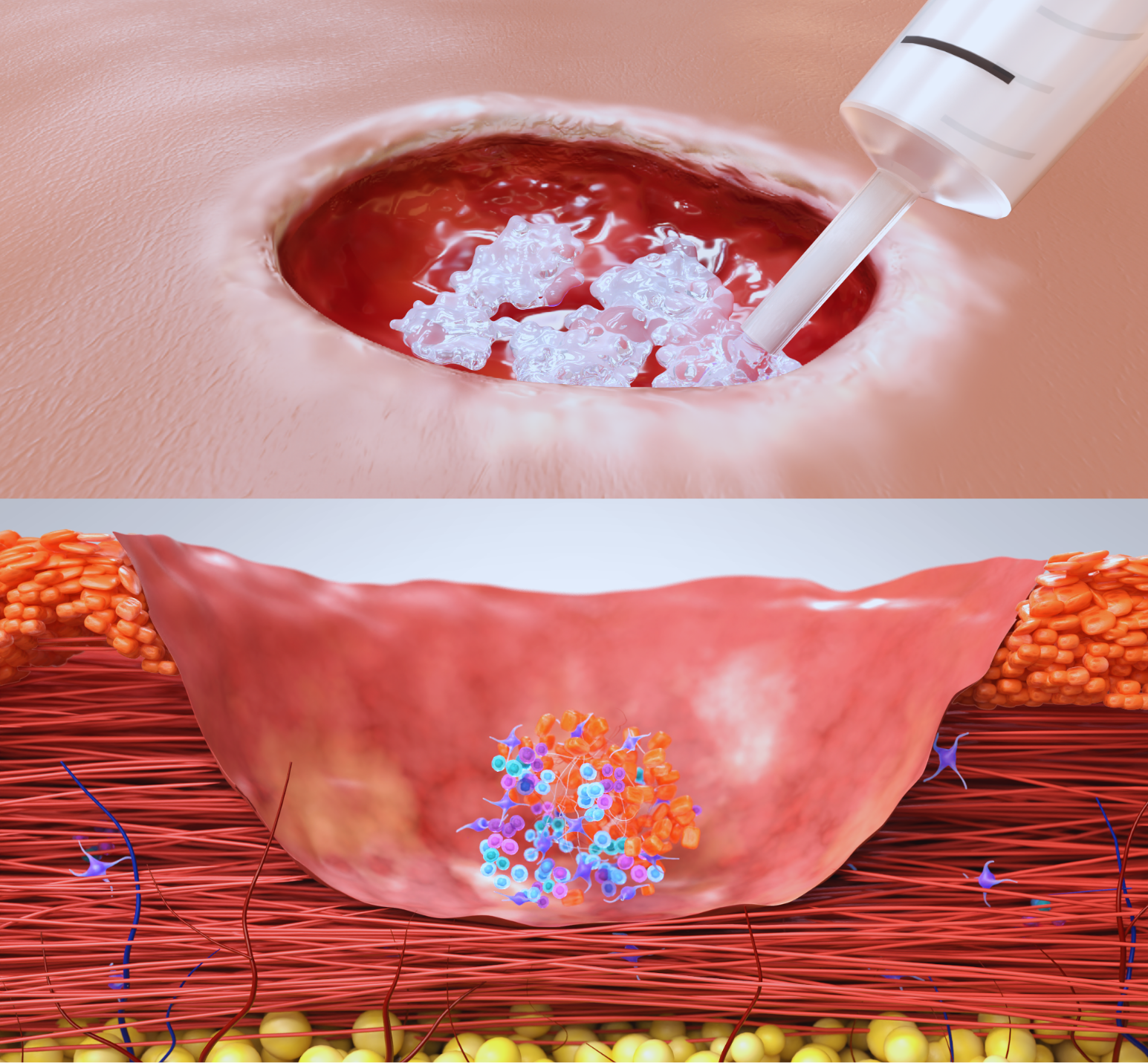

Application
The units are returned to the provider within about a week and applied topically to the prepared wound bed.


Evaluation
SkinTE is an investigational product.It has not been approved by the FDA, and its safety and effectiveness have not been established.
For illustrative purposes only.
Proposed Mechanism of Action
SkinTE is designed to deliver the patient’s own cells and extracellular matrix to the wound bed with a three-fold mechanism of action proposed:
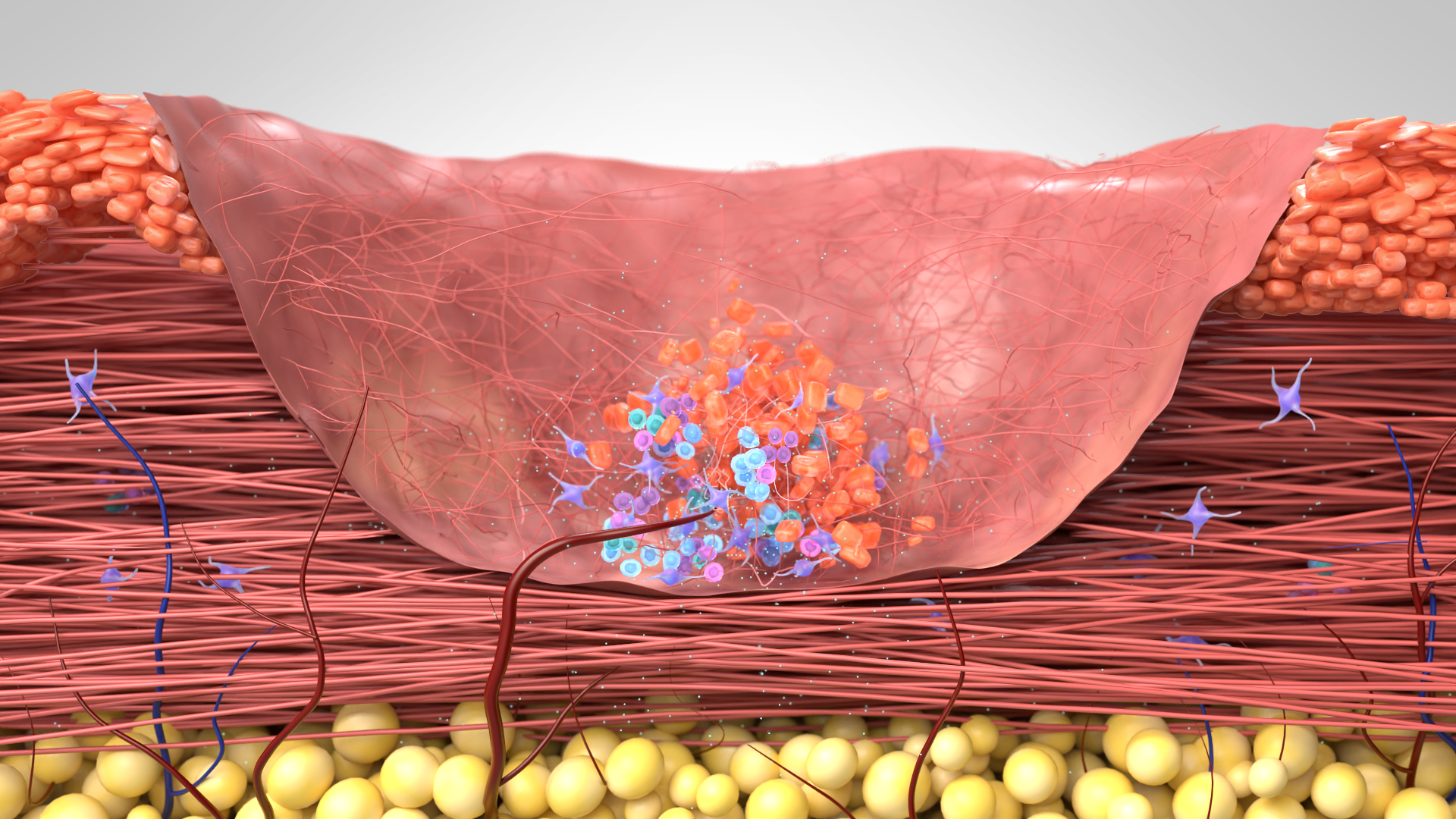
Intended to engraft to the wound bed post-application.
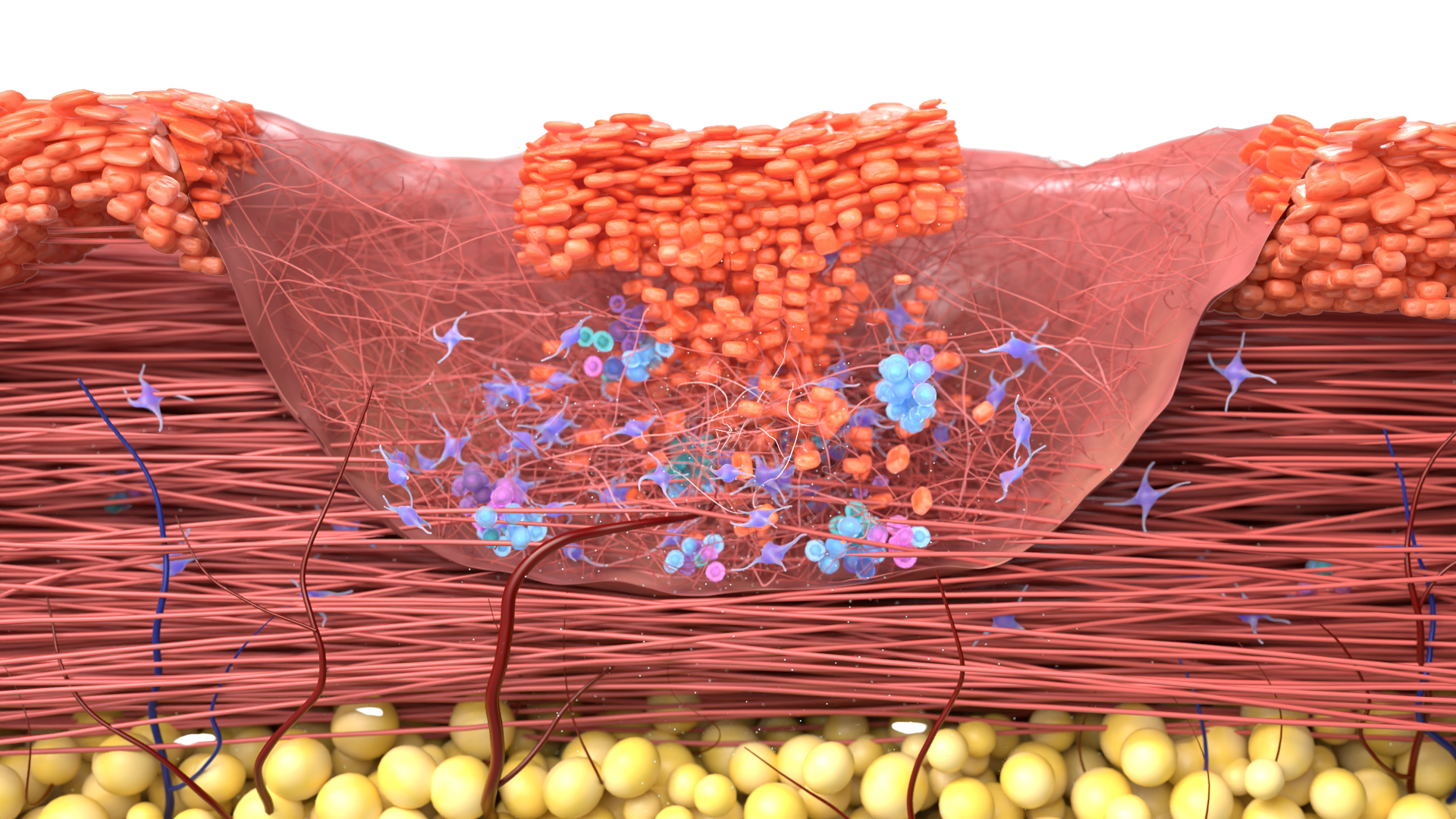
Designed to proliferate and migrate, expanding and coalescing across the wound bed.
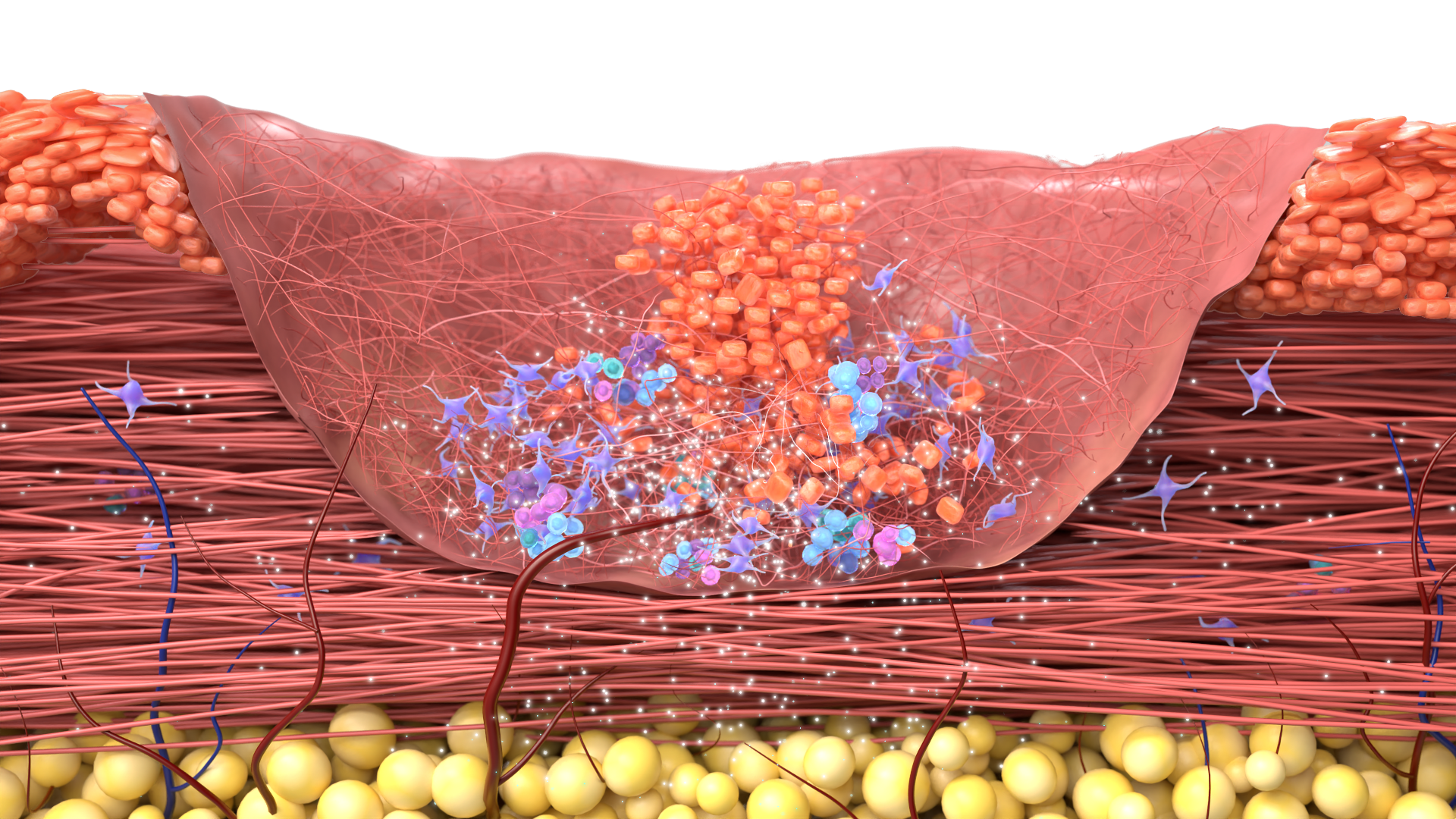
Designed to release cytokines and growth factors.
The mechanism of action is proposed only and is pending review by the FDA. SkinTE has not been approved by the FDA. Its safety and effectiveness have not been established. The images and text are representative of the proposed mechanism of action.
You might also be interested in: